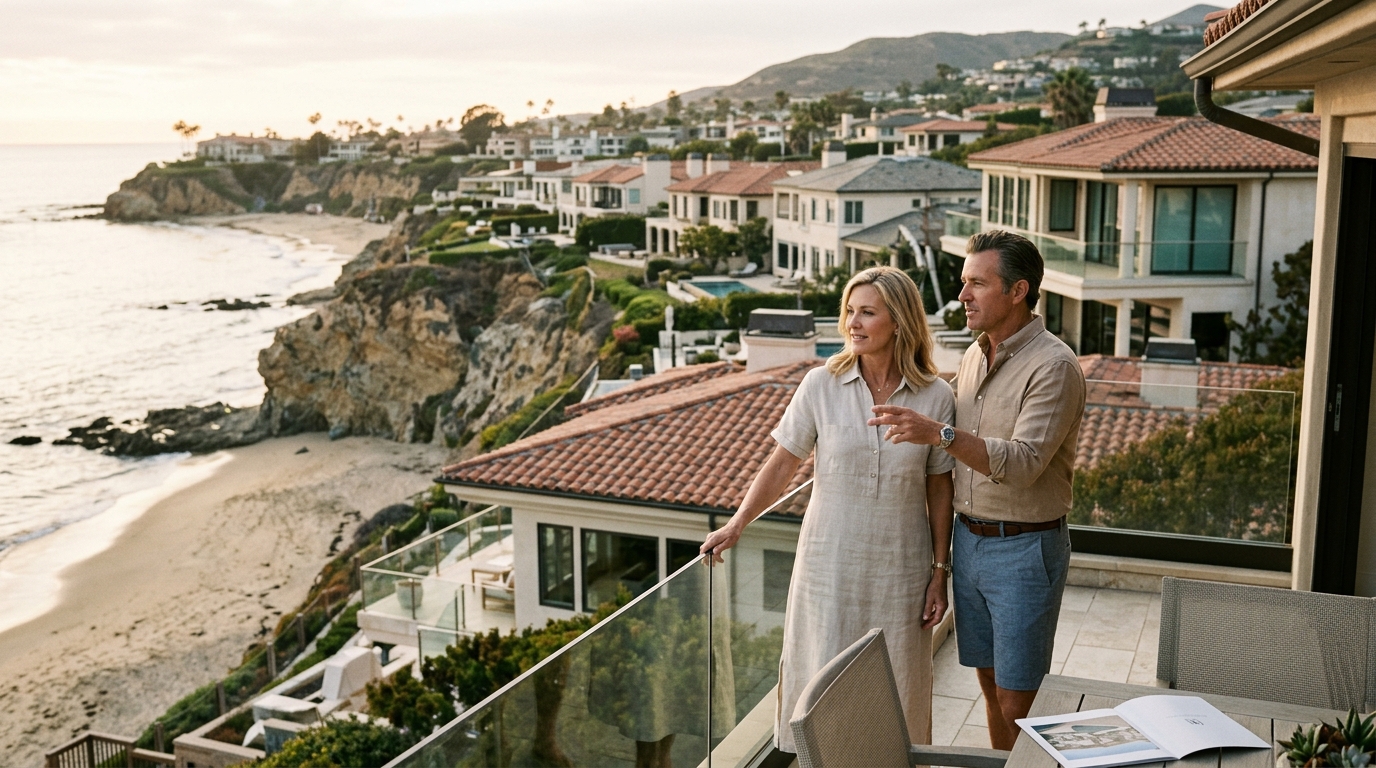
The Corona del Mar real estate market operates on a unique frequency that defies standard suburban metrics. In 2024, the median home price in Newport Beach surpassed $3.5 million, a figure that reflects a 15-year wall of appreciation that continues to push boundaries. According to Zillow, coastal Orange County neighborhoods remain among the most resilient assets in the national housing landscape. This resilience is not accidental. It is the result of strict supply constraints, geographic isolation, and a buyer pool that prioritizes lifestyle equity over square footage alone. For sellers of luxury properties, the margin for error in pricing is virtually non-existent. Overpricing leads to stagnation. Underpricing leaves millions on the table. The middle ground is where strategic precision lives. (Cassie French Newport Beach)
Understanding the Corona del Mar Market Dynamics
Corona del Mar is not merely a neighborhood. It is a geographic enclave defined by its proximity to the Pacific Ocean and its exclusive zoning laws. The term "Corona del Mar" is often used loosely to describe the broader coastal area, but true Corona del Mar properties command a premium due to their specific location relative to the harbor and the beach. Redfin reports that inventory levels in this specific pocket remain critically low, creating a seller's market that favors those who understand timing.
Luxury home buyers in this region are not looking for a house. They are acquiring a lifestyle asset. This distinction changes how they evaluate price. They are less sensitive to minor fluctuations in price per square foot and more sensitive to the overall narrative of the property. A home that feels exclusive, private, and meticulously maintained will attract multiple offers even at a higher price point. Conversely, a home that feels generic or poorly positioned will languish, regardless of its quality.
The demographic profile of Corona del Mar buyers is distinct. Many are high-net-worth individuals relocating from other coastal markets or downsizing from larger estates. They value privacy, security, and proximity to world-class dining and shopping. Understanding this profile is essential for pricing. If your target buyer is a tech executive from Silicon Valley, the pricing strategy must highlight modern amenities and smart home integration. If the buyer is a retiree from the Midwest, the strategy must emphasize low-maintenance landscaping and single-story living.
The Role of Pre-Listing Preparation
Pricing does not exist in a vacuum. It is inextricably linked to the physical condition and presentation of the home. A common mistake sellers make is attempting to price a home based on its potential rather than its current state. The market rewards what it sees. If a luxury home requires significant renovation, the price must reflect the cost of those improvements plus a risk premium for the buyer.
Strategic staging is the first line of defense in this process. The National Association of Realtors notes that staged homes often sell faster and for higher prices than unstaged homes. In the Corona del Mar market, this effect is amplified. Buyers expect a certain level of polish. Empty rooms feel cold and large. Staged rooms feel inviting and manageable. The goal is to help buyers visualize themselves living in the space, not to see the contractor's work.
Minor renovations can yield disproportionate returns. Updating hardware, refreshing paint in neutral tones, and ensuring all landscaping is pristine are low-cost, high-impact changes. These elements signal to buyers that the home has been cared for. They reduce the perceived risk of hidden defects. When a home feels move-in ready, buyers are more willing to pay full price or above asking. This is the foundation upon which a successful pricing strategy is built.
Core Pricing Methodologies for Luxury Assets
There are three primary approaches to pricing luxury homes in Corona del Mar. Each has its own risks and rewards. The choice depends on the specific property, current market conditions, and the seller's timeline.
1. The Aggressive Pricing Strategy
Pricing slightly below market value is a tactic designed to generate immediate interest. In a competitive market, this can spark a bidding war. Buyers see a "deal" and rush to submit offers. This strategy works best when inventory is low and buyer demand is high. However, it carries the risk of leaving money on the table if the property does not attract multiple offers. It also requires a seller who is comfortable with uncertainty and rapid decision-making.

2. The Fair Market Value Strategy
This approach involves pricing the home at its true market value based on recent comparable sales. It is the most common strategy for luxury properties. It attracts serious buyers who are willing to pay for quality. It avoids the stigma of being "overpriced" while also avoiding the perception of being "cheap." The key is accuracy. An accurate price requires a deep understanding of the local market and a rigorous analysis of comparable properties.
3. The Premium Pricing Strategy
Pricing above market value is a high-risk, high-reward strategy. It is only viable for properties that are truly exceptional. These homes must have unique features that justify the premium, such as panoramic ocean views, historic significance, or architectural uniqueness. This strategy requires a seller who is patient and willing to wait for the right buyer. It also requires a marketing plan that highlights the property's unique selling points.
Psychological Pricing and Buyer Perception
Price is not just a number. It is a signal. In the luxury market, buyers use price as a proxy for quality. A home priced at $4.95 million may feel more accessible than one priced at $5.05 million, even though the difference is minimal. This is known as charm pricing. It leverages the buyer's psychological tendency to focus on the leftmost digit.
Another psychological factor is the concept of "anchor pricing." The first price a buyer sees sets the baseline for all subsequent evaluations. If the anchor is too high, buyers may dismiss the property before even stepping inside. If the anchor is too low, buyers may suspect hidden flaws. The goal is to set an anchor that is high enough to reflect the property's value but low enough to invite inquiry.
Transparency is also crucial. Buyers in the Corona del Mar market are sophisticated. They will research the property online before contacting an agent. Providing clear, accurate information about the home's features, history, and condition builds trust. It reduces the friction in the sales process and increases the likelihood of a successful transaction.
Comparative Market Analysis Deep Dive
A Comparative Market Analysis (CMA) is the cornerstone of any pricing strategy. It involves comparing the subject property to similar homes that have recently sold, are currently on the market, or were listed but did not sell. This analysis provides a data-driven basis for pricing decisions.
When conducting a CMA, it is essential to look beyond the sale price. Consider the days on market, the list-to-sale price ratio, and the condition of the comparable properties. A home that sold quickly for above asking price indicates strong demand. A home that sat on the market for months suggests overpricing or poor presentation.
It is also important to adjust for differences between the subject property and the comparables. If the subject property has a larger lot, a better view, or more recent renovations, it should be priced higher than the comparables. If it has fewer bedrooms or requires more work, it should be priced lower. These adjustments ensure that the price reflects the true value of the property.
| Pricing Strategy | Best Use Case | Risk Level | Expected Outcome |
|---|---|---|---|
| Aggressive Pricing | Low inventory, high demand | Medium | Multiple offers, potential above-ask sale |
| Fair Market Value | Stable market, standard luxury home | Low | Timely sale at target price |
| Premium Pricing | Unique property, patient seller | High | Longer time on market, higher final price |
Key Takeaways
- Market Resilience: Corona del Mar homes have shown consistent appreciation, with median prices exceeding $3.5 million in recent years.
- Inventory Constraints: Limited supply in this enclave creates a competitive environment for qualified buyers.
- Preparation is Key: Strategic staging and minor renovations significantly impact buyer perception and final sale price.
- Pricing Precision: Overpricing leads to stagnation. Underpricing leaves value on the table. Accuracy is paramount.
- Psychological Factors: Charm pricing and anchor pricing influence buyer behavior and decision-making.
- Data-Driven Decisions: A rigorous Comparative Market Analysis is essential for setting the right price.
- Expert Guidance: Working with a local expert who understands the nuances of the Corona del Mar market is critical for success.
Frequently Asked Questions
How do I determine the right price for my luxury home in Corona del Mar?
The right price is determined by a combination of data and strategy. A professional Comparative Market Analysis provides the data baseline. Strategic considerations, such as market conditions and buyer psychology, inform the final decision. It is essential to work with an agent who has deep experience in the Corona del Mar market.
What is the impact of staging on the sale price of a luxury home?
Staging can have a significant impact on the sale price. It helps buyers visualize themselves in the home and reduces the perceived risk of hidden defects. In the Corona del Mar market, where buyers expect a high level of polish, staging is often essential to achieving top dollar.
Should I price my home aggressively to generate interest?
Aggressive pricing can be effective in a low-inventory, high-demand market. It can spark a bidding war and result in a sale price above asking. However, it carries the risk of leaving money on the table if the property does not attract multiple offers. It is best suited for sellers who are comfortable with uncertainty.
How important is the location within Corona del Mar?
Location is critical. Properties closer to the beach and harbor command a premium. Those with panoramic views or unique architectural features also command higher prices. Understanding the specific value drivers of the neighborhood is essential for accurate pricing.
What role does the agent play in the pricing strategy?
The agent plays a pivotal role. They provide the market data, strategic advice, and negotiation expertise necessary to achieve the best outcome. A skilled agent can identify the right pricing strategy for your specific property and market conditions.
How long does it typically take to sell a luxury home in Corona del Mar?
The timeline varies depending on the price point, property condition, and market conditions. On average, luxury homes in this area may take several months to sell. However, a well-priced and well-presented home can sell much faster.
What are the current trends in the Corona del Mar real estate market?
Current trends include low inventory, high demand, and a shift towards more sophisticated buyer expectations. Buyers are looking for homes that offer privacy, luxury, and a strong connection to the coastal lifestyle.
Schedule Your Consultation
Pricing your luxury home in Corona del Mar is not a task for the faint of heart. It requires a deep understanding of the market, a keen eye for detail, and a strategic mindset. If you are ready to sell your home for the highest possible price, it is time to engage with a professional who can guide you through the process.
Cassie French specializes in helping homeowners in Newport Beach and North Tustin achieve exceptional results. Her approach combines rigorous market analysis with strategic preparation and marketing. To learn more about her services and how she can help you sell your home, visit the About page or explore her Home Staging resources. For a personalized pricing strategy, contact Cassie French directly to schedule a consultation.